
Embark on a journey through The Ultimate Checklist for Vetting Website Developers in Australia, where we explore the essential aspects of selecting the right professionals for your web development needs. This guide offers valuable insights and tips to help you make informed decisions when choosing website developers in Australia.
In the following sections, we will delve into the key criteria to consider, from assessing portfolios to understanding project management skills, ensuring you are equipped with the knowledge to vet website developers effectively.
Understanding Developer Requirements
When vetting website developers in Australia, it is crucial to understand the key skills and qualifications that make a developer stand out. Here are some important factors to consider:Key Skills and Qualifications
- Proficiency in programming languages such as HTML, CSS, JavaScript, and PHP.
- Experience with content management systems like WordPress, Drupal, or Joomla.
- Knowledge of responsive design and mobile optimization.
- Ability to work with databases, such as MySQL or MongoDB.
Experience in Web Development Technologies
- Look for developers with experience in a variety of web development technologies to ensure they can adapt to different project requirements.
- Experience in front-end and back-end development is essential for creating functional and visually appealing websites.
- Experience with e-commerce platforms like Shopify or Magento can be beneficial for online businesses.
Importance of Communication Skills
- Effective communication is key in ensuring that the developer understands your requirements and can provide updates throughout the project.
- Good communication skills help in establishing a smooth workflow and addressing any issues or changes promptly.
- Developers who can communicate technical concepts in a clear and understandable manner are valuable for successful project outcomes.
Assessing Portfolio and Projects
When evaluating a website developer in Australia, one of the key aspects to consider is their portfolio of past projects. A developer's portfolio can provide valuable insights into their skills, creativity, and overall quality of work. Here's how you can effectively assess a developer's portfolio and projects:Reviewing Portfolio for Quality and Diversity
- Look for a diverse range of projects in the portfolio, showcasing different industries, styles, and functionalities. This demonstrates the developer's ability to adapt to various project requirements.
- Pay attention to the design aesthetics and user experience of the websites in the portfolio. Ensure that the developer has a keen eye for detail and can create visually appealing and functional websites.
- Check for the use of modern technologies and trends in the projects. A developer who stays updated with the latest tools and techniques is more likely to deliver contemporary and innovative solutions.
- Read any client testimonials or case studies accompanying the projects to get an idea of the developer's professionalism, communication skills, and client satisfaction levels.
Identifying Types of Projects that Showcase Expertise
- Look for projects that align with your specific requirements or industry niche. Developers with relevant experience are better equipped to understand your needs and deliver tailored solutions.
- Consider the complexity and scale of the projects in the portfolio. A developer who has successfully completed challenging projects is likely to have the expertise to handle your project effectively.
- Pay attention to any custom functionalities or features implemented in the projects. This can indicate the developer's ability to provide unique and customized solutions based on client needs.
- Evaluate the performance and functionality of the live websites in the portfolio. Ensure that they load quickly, are mobile-responsive, and offer a seamless user experience.
Importance of Aligning Projects with Your Requirements
- It is crucial to check if the projects in the developer's portfolio align with your specific requirements and goals. This ensures that the developer has the relevant experience and expertise to meet your project needs.
- By evaluating projects that are similar to what you envision for your website, you can gauge the developer's ability to understand your industry, target audience, and unique challenges.
- Choosing a developer with a portfolio that resonates with your brand values and aesthetics can lead to a more cohesive and successful collaboration.
- Ultimately, the projects showcased in a developer's portfolio should not only demonstrate their technical skills but also reflect their ability to deliver results that align with your expectations.
Verifying References and Testimonials
When vetting website developers in Australia, it is crucial to verify references and testimonials to gain insights into the developer's past work and reputation. This step can provide valuable information about the developer's professionalism, work quality, and client satisfaction levels.Importance of Reaching Out to Past Clients
Reaching out to past clients allows you to gather firsthand feedback on the developer's performance and communication style. By speaking directly with previous clients, you can gain a better understanding of the developer's strengths, weaknesses, and overall work ethic.
Interpreting Testimonials and Reviews
- Look for specific details: Genuine testimonials often include specific examples of the developer's skills and contributions to the project.
- Check for consistency: Compare testimonials across different platforms to ensure they are consistent and not fabricated.
- Consider the tone: Positive testimonials that sound overly generic or artificial may raise suspicions.
Identifying Red Flags in References
- Absence of references: If a developer is unable or unwilling to provide references, it could be a red flag indicating a lack of experience or client satisfaction.
- Negative feedback: Pay attention to any negative feedback or unresolved issues mentioned by past clients, as it could indicate potential challenges in working with the developer.
- Inconsistent information: Inaccuracies or contradictions in references may signal dishonesty or untrustworthiness.
Evaluating Coding Standards and Practices
Assessing Coding Quality
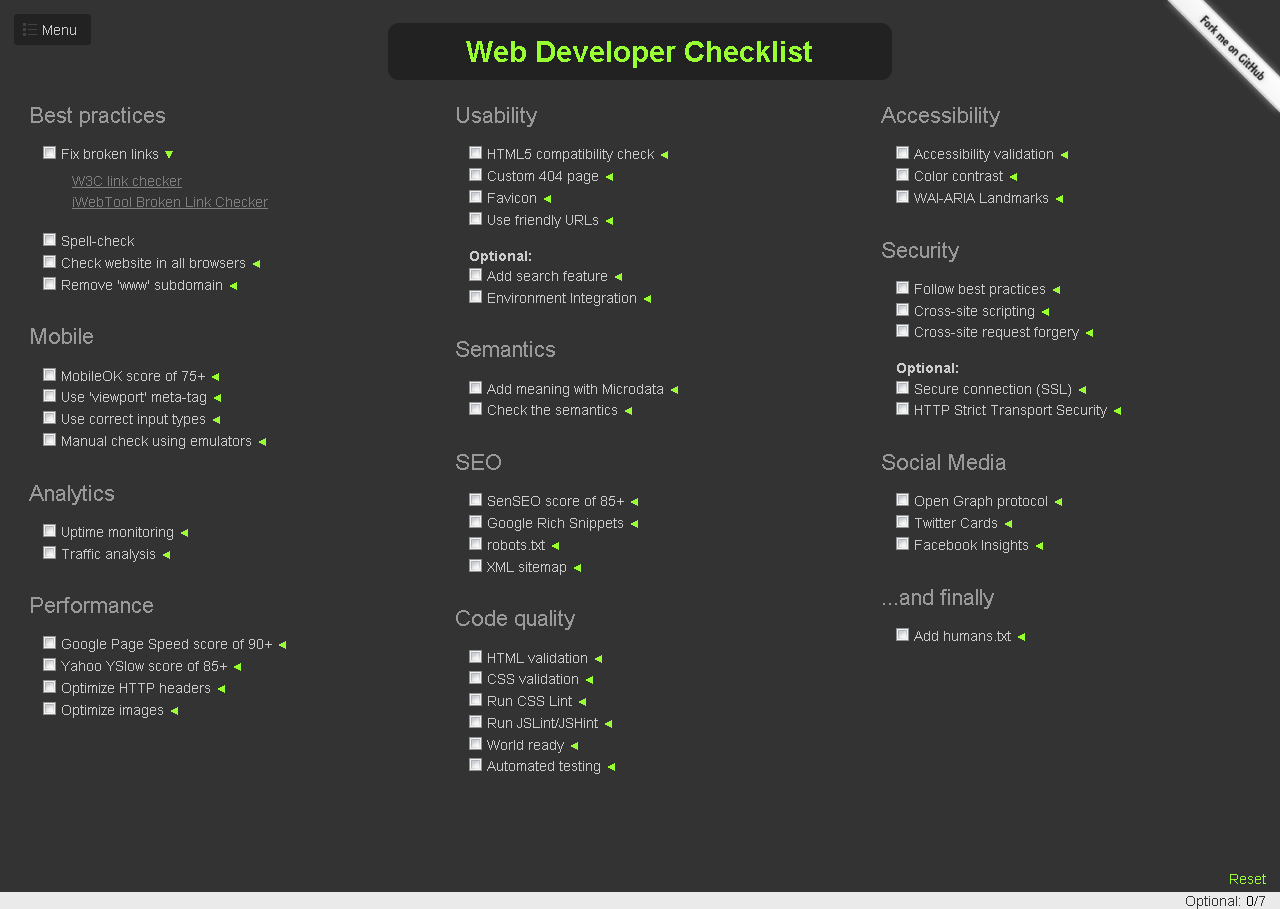
- Look for consistency in coding style and formatting throughout the developer's projects. A clean and organized codebase is easier to maintain and debug.
- Check for the use of relevant comments and documentation within the code. Comments help other developers understand the code and its functionality.
- Evaluate the efficiency of the code by analyzing factors such as load times, resource utilization, and overall performance. Well-optimized code can improve user experience.
- Ensure that the developer follows industry standards and best practices, such as proper naming conventions, code reuse, and security measures.
Common Coding Standards and Best Practices
One common coding standard is the use of consistent naming conventions for variables, functions, and classes. This enhances code readability and maintainability.
Following the DRY (Don't Repeat Yourself) principle can help developers avoid duplication and improve code efficiency.
Implementing proper error handling and validation processes can enhance the security and reliability of the codebase.
Regularly updating and refactoring code to remove deprecated or redundant elements can improve overall code quality and performance.
Understanding Project Management Skills
Project management skills are crucial for a website developer as they ensure that projects are completed efficiently and within the set timeframe. Developers with strong project management skills can effectively coordinate tasks, allocate resources, and communicate effectively with clients and team members.Assessing Ability to Meet Deadlines and Manage Tasks
- Review past projects to see if they were completed on time and within budget.
- Ask the developer about their approach to setting and meeting deadlines.
- Assess their ability to prioritize tasks and manage workload effectively.
Identifying Tools and Methodologies for Project Management
- Popular project management tools used by developers include Trello, Asana, and Jira.
- Agile and Scrum methodologies are commonly employed for efficient project management in web development.
- Look for developers who are proficient in using Gantt charts and other visual planning tools.
Discussing Pricing and Contracts
When it comes to hiring a website developer in Australia, discussing pricing and contracts is a crucial step in ensuring a successful partnership. This involves negotiating pricing, understanding cost breakdowns, and establishing a clear contract that Artikels deliverables and timelines.Negotiating Pricing and Understanding Cost Breakdowns
- Before finalizing the contract, make sure to negotiate the pricing with the developer. Discuss the scope of work, the timeline, and any additional services that may be required.
- Ask for a detailed cost breakdown to understand how the total price is calculated. This can help you identify any potential hidden costs and ensure transparency in the pricing structure.
- Consider the value you are getting for the price quoted. It's important to strike a balance between quality and affordability when negotiating pricing.
Importance of Clear Contract Outlining Deliverables and Timelines
- Having a clear contract is essential to avoid misunderstandings and disputes later on. The contract should clearly Artikel the scope of work, deliverables, timelines, and payment terms.
- Make sure both parties agree on the terms and conditions before signing the contract. This can help prevent any disagreements regarding project expectations and responsibilities.
- Include provisions for revisions, changes in scope, and project milestones in the contract. This can help manage expectations and ensure that both parties are on the same page throughout the development process.
Key Clauses to Include in a Contract with a Website Developer
Intellectual Property Rights:
Clearly define who owns the rights to the website design, code, and any other assets created during the project.Confidentiality Agreement:
Include a clause that protects sensitive information shared during the project and prohibits the developer from disclosing it to third parties.Termination Clause:
Specify the conditions under which either party can terminate the contract, along with any penalties or obligations in case of termination.Payment Terms:
Artikel the payment schedule, methods of payment, and any penalties for late payments in the contract to ensure clarity on financial matters.
Last Word
As we conclude this guide on vetting website developers in Australia, remember that thorough research and careful consideration are key to finding the perfect match for your project. By following the checklist provided, you can confidently navigate the process of selecting a website developer who meets your requirements and exceeds your expectations.
FAQ Corner
What are the key skills to look for in a website developer?
Key skills to look for include proficiency in programming languages, experience with various web development technologies, and strong problem-solving abilities.
How important is it to check a developer's portfolio?
Reviewing a developer's portfolio is crucial to assess their quality of work, expertise in different project types, and alignment with your project requirements.
Why is project management important in a website developer?
Project management skills are vital for meeting deadlines, task management, and ensuring smooth project execution from start to finish.