
In the realm of Web Design vs. Website Development: Which One Drives More Revenue?, readers are invited into a world of knowledge where the interplay between design and development shapes the revenue potential of a website. This introductory passage sets the stage for an exploration filled with insights and original perspectives.
The subsequent paragraph will delve into providing a detailed and informative overview of the topic
Web Design vs. Website Development
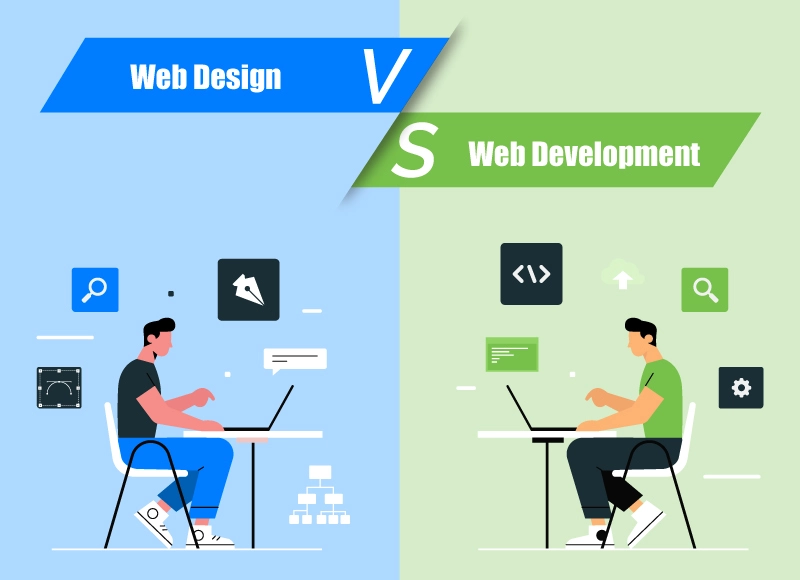
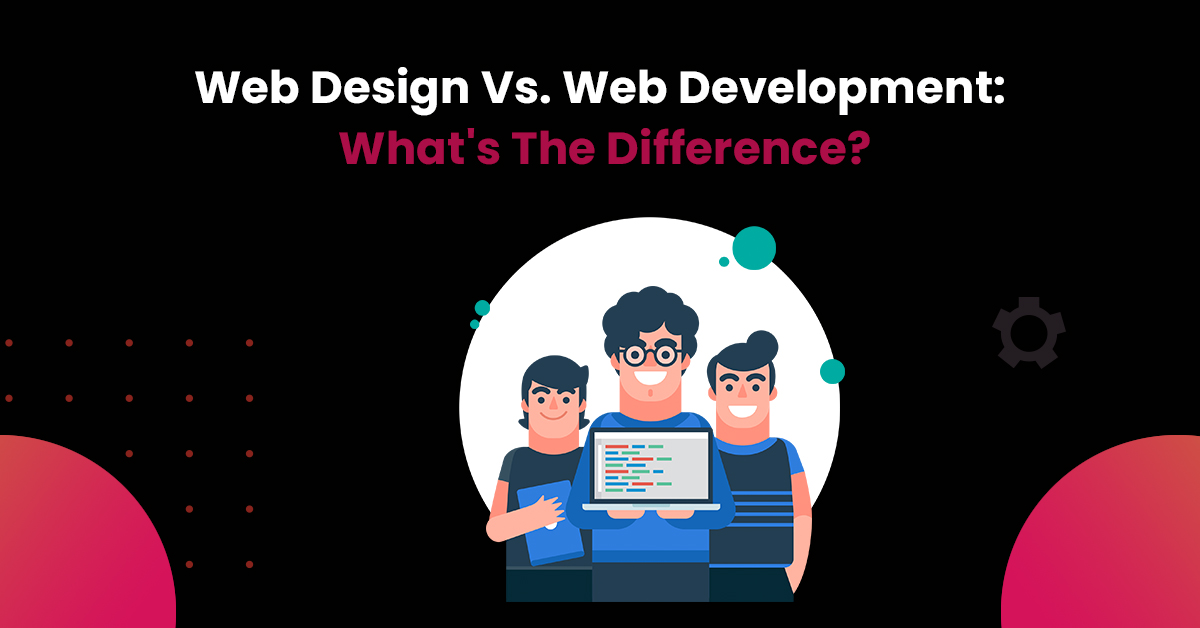 Web design encompasses the visual aspects of a website, such as layout, color scheme, and typography. It focuses on creating an aesthetically pleasing and user-friendly interface for visitors to interact with. On the other hand, website development involves the technical aspects of building a website, including coding, programming, and database management. It is responsible for ensuring the website functions correctly and efficiently.
Key Differences Between Web Design and Website Development
- Web Design:
- Focuses on the visual aspects of a website
- Involves creating a user-friendly interface
- Uses tools like Adobe Photoshop, Sketch, or Figma
- Emphasizes on aesthetics and user experience
- Website Development:
- Deals with the technical aspects of a website
- Involves coding and programming languages like HTML, CSS, JavaScript, and PHP
- Manages server-side and client-side functionalities
- Focuses on functionality and performance
Revenue Generation Through Web Design
Effective web design plays a crucial role in enhancing user experience, which can directly impact revenue generation for businesses. A well-designed website not only attracts visitors but also keeps them engaged, leading to higher chances of conversion and increased sales.Influence of User-Friendly Design on Conversion Rates
User-friendly design elements such as intuitive navigation, clear call-to-action buttons, fast loading times, and mobile responsiveness can significantly improve conversion rates on a website. When users can easily find what they are looking for and have a seamless browsing experience, they are more likely to make a purchase or take the desired action.- Clear and prominent call-to-action buttons guide users towards making a purchase or signing up for a service.
- Fast loading times reduce bounce rates and keep users engaged on the website.
- Mobile responsiveness ensures that the website is accessible and functional across different devices, leading to a larger audience reach.
Examples of Successful Websites with High Revenue Due to Their Design
1. Amazon: With its user-friendly interface, personalized recommendations, and easy checkout process, Amazon has become a leading e-commerce platform generating billions in revenue. 2. Apple: Apple's minimalist design, high-quality product imagery, and seamless user experience contribute to its success in driving revenue through online sales. 3. Airbnb: Airbnb's visually appealing listings, interactive maps, and secure booking process have made it a popular choice for travelers, leading to significant revenue growth.Revenue Generation Through Website Development
Website development plays a crucial role in revenue generation by enhancing site performance and optimizing loading speed to attract more visitors and improve user experience. Let's delve deeper into how website development directly impacts revenue generation.Impact of Website Development on Site Performance
Website development involves creating and optimizing the structure, layout, and functionality of a website to ensure seamless user experience and improved performance. By implementing best practices in coding, design, and user interface, website developers can enhance site speed, navigation, and overall functionality, leading to increased user engagement and higher conversion rates.- Optimizing website code and scripts for faster loading times.
- Implementing responsive design for compatibility across various devices and screen sizes.
- Integrating secure payment gateways and user-friendly checkout processes for seamless transactions.
Role of Website Development in Optimizing Loading Speed for Revenue
Loading speed is a critical factor that directly impacts user experience and search engine rankings. Website development plays a key role in optimizing loading speed through various techniques such as image compression, caching, minification of code, and reducing server response time. By improving loading speed, websites can reduce bounce rates, increase user retention, and ultimately drive more revenue through higher conversion rates.- Implementing content delivery networks (CDNs) to distribute website content efficiently.
- Optimizing images and multimedia content for faster loading without compromising quality.
- Minimizing HTTP requests and using browser caching to reduce loading time.
Case Studies of Websites Boosting Revenue Through Development Enhancements
Several websites have successfully increased their revenue through strategic website development enhancements. For example, e-commerce platforms that improved site speed and user experience saw a significant increase in conversion rates and sales. Similarly, service-based websites that optimized their booking processes and navigation structure witnessed a boost in customer engagement and revenue- Amazon: By continuously optimizing its website performance and user interface, Amazon improved conversion rates and customer retention, leading to substantial revenue growth.
- Google: Through efficient website development practices, Google enhanced its search engine speed and accuracy, attracting more users and generating revenue through ads and services.
- Shopify: By focusing on website development to provide a seamless e-commerce experience, Shopify increased sales for its merchants and drove revenue growth for the platform.
Web Design and Development Integration
When it comes to driving revenue through a website, the integration of web design and development plays a crucial role. A harmonious collaboration between design and development teams can lead to a more effective and profitable website. Let's explore the importance of aligning design and development for revenue growth and discuss strategies for seamless collaboration.Importance of Aligning Design and Development
Aligning design and development ensures that the website not only looks visually appealing but also functions smoothly to drive conversions and revenue. When design and development teams work together cohesively, they can create a user-friendly website that engages visitors and encourages them to take desired actions.
- Design informs development: Designers provide developers with the visual elements and user experience guidelines needed to bring the website to life.
- Development enhances design: Developers ensure that the design is implemented effectively, taking into account functionality, responsiveness, and performance.
- Iterative collaboration: Continuous communication and feedback loops between design and development teams result in a website that evolves to meet user needs and business goals.
Strategies for Seamless Collaboration
To foster seamless collaboration between design and development teams, the following strategies can be implemented:
- Regular meetings and brainstorming sessions to align on project goals and priorities.
- Utilization of project management tools to track progress, assign tasks, and facilitate communication.
- Encouragement of cross-functional training to enhance understanding and appreciation of each other's roles.
- Establishment of a shared vocabulary and design system to ensure consistency and efficiency in implementation.
Driving Revenue Through Harmonious Design and Development
When design and development teams work together seamlessly, the result is a website that not only looks great but also functions optimally to drive revenue. A harmonious design and development approach can lead to:
- Improved user experience: A visually appealing and user-friendly website can increase engagement and conversions.
- Enhanced performance: Optimized development leads to faster loading times and better overall performance, reducing bounce rates.
- Increased brand credibility: A well-designed website instills trust in visitors and encourages them to make purchases or inquiries.
Conclusive Thoughts
Concluding the discussion on Web Design vs. Website Development: Which One Drives More Revenue?, this final section encapsulates key points and reflections in a compelling manner, leaving readers with a lasting impression of the revenue-driving dynamics between design and development.
FAQs
What is the role of web design in creating a website?
Web design focuses on the visual aesthetics and usability of a website, ensuring an engaging and intuitive user experience.
How does website development affect site performance?
Website development involves coding and programming to enhance site functionality and speed, directly impacting performance and user satisfaction.
Why is aligning design and development crucial for revenue growth?
Aligning design and development ensures a seamless user experience, leading to higher conversions and increased revenue potential.