
Delving into Workflow Process Management: The Secret to Scaling Your US Business, this introduction immerses readers in a unique and compelling narrative that explores the importance of workflow process management in scaling US businesses. From discussing its impact to highlighting successful case studies, this overview sets the stage for a deep dive into this critical topic.
Importance of Workflow Process Management
Workflow process management plays a vital role in the scalability of a US business. By streamlining operations, improving efficiency, and ensuring consistency, businesses can achieve growth and expansion more effectively.Enhanced Productivity and Efficiency
- Implementing workflow process management tools and strategies can help businesses automate repetitive tasks, reduce errors, and eliminate bottlenecks in the production process.
- By establishing clear workflows and guidelines, employees can work more efficiently, saving time and resources that can be reinvested into business growth.
- Increased productivity leads to faster delivery of products or services, enhancing customer satisfaction and loyalty.
Improved Decision-Making
- Effective workflow process management provides real-time data and insights into business operations, enabling managers to make informed decisions quickly.
- Having a clear overview of workflows helps identify inefficiencies, enabling businesses to make necessary adjustments to optimize processes.
- Streamlined processes allow for better resource allocation and budget management, contributing to overall business growth.
Scalability and Growth
- Businesses that prioritize workflow process management are better equipped to handle growth and scaling operations, as processes are already optimized for efficiency.
- Scalability becomes more manageable when workflows are well-defined, allowing for seamless integration of new systems, technologies, or team members.
- Effective workflow management sets a strong foundation for sustainable growth and long-term success in the US market.
Implementing Workflow Process Management Systems

Implementing a workflow process management system is crucial for streamlining operations and improving efficiency in any business. It involves a series of steps to ensure a successful integration of the system.
Steps for Implementing Workflow Process Management Systems
- Assess Current Processes: Evaluate existing workflows and identify areas that need improvement.
- Set Clear Objectives: Define specific goals and outcomes you want to achieve with the new system.
- Select the Right Tool: Choose a workflow management tool that aligns with your business needs and budget.
- Train Employees: Provide training to ensure all staff members understand how to use the new system effectively.
- Test and Refine: Conduct thorough testing to identify any issues or bottlenecks, and make necessary adjustments.
- Monitor and Improve: Continuously monitor the system's performance and make improvements as needed to enhance efficiency.
Popular Workflow Management Tools
There are several popular workflow management tools used by US businesses to streamline their processes. Some of these tools include:
Trello, Asana, Monday.com, Wrike, and Jira.
Approaches to Integrating Workflow Process Management Systems
There are different approaches to integrating workflow process management systems, depending on the specific needs and structure of the business. Some businesses may opt for a gradual implementation, while others may prefer a complete overhaul of their existing processes. It is essential to choose an approach that best suits the organization's goals and resources.
Optimizing Workflow Processes
Optimizing workflow processes is crucial for enhancing efficiency and productivity in a business setting. By identifying key strategies, leveraging automation, and implementing continuous improvement practices, organizations can streamline their operations and achieve better results.
Key Strategies for Optimizing Workflow Processes
- Map out current processes: Conduct a thorough analysis of existing workflows to identify bottlenecks and inefficiencies.
- Set clear goals: Define specific objectives for optimization efforts to ensure alignment with overall business objectives.
- Standardize procedures: Establish standardized procedures to promote consistency and reduce errors in workflow execution.
- Empower employees: Provide training and resources to empower employees to contribute ideas for process improvement.
Role of Automation in Streamlining Workflow Processes
- Automate repetitive tasks: Use automation tools to streamline repetitive tasks and free up time for more complex activities.
- Integrate systems: Implement integrations between different tools and systems to automate data transfer and reduce manual effort.
- Implement workflow software: Utilize workflow management software to automate and optimize end-to-end processes.
Best Practices for Continuous Improvement in Workflow Management
- Collect feedback: Gather feedback from employees and stakeholders to identify areas for improvement in workflow processes.
- Measure performance: Track key performance indicators to monitor the effectiveness of workflow optimization efforts.
- Iterate and refine: Continuously iterate on workflow processes based on feedback and performance data to drive ongoing improvement.
Scaling Your Business with Workflow Process Management
Scaling a business can be a challenging task, especially in a competitive market. However, workflow process management plays a crucial role in enabling businesses to scale effectively and efficiently.
Case Study: Company XYZ
- Company XYZ, a tech startup, utilized workflow process management to streamline their operations and increase productivity.
- By implementing automated workflows and clearly defined processes, Company XYZ was able to scale rapidly without compromising on quality.
- As a result, they were able to expand their customer base, enter new markets, and grow their revenue significantly.
Enabling Agility and Growth
Workflow process management enables agility and growth in a competitive market by:
- Providing a clear roadmap for scaling operations and ensuring consistency in processes.
- Identifying bottlenecks and inefficiencies that can hinder growth and addressing them promptly.
- Empowering employees to work more efficiently and collaboratively, leading to increased productivity and innovation.
Conclusion
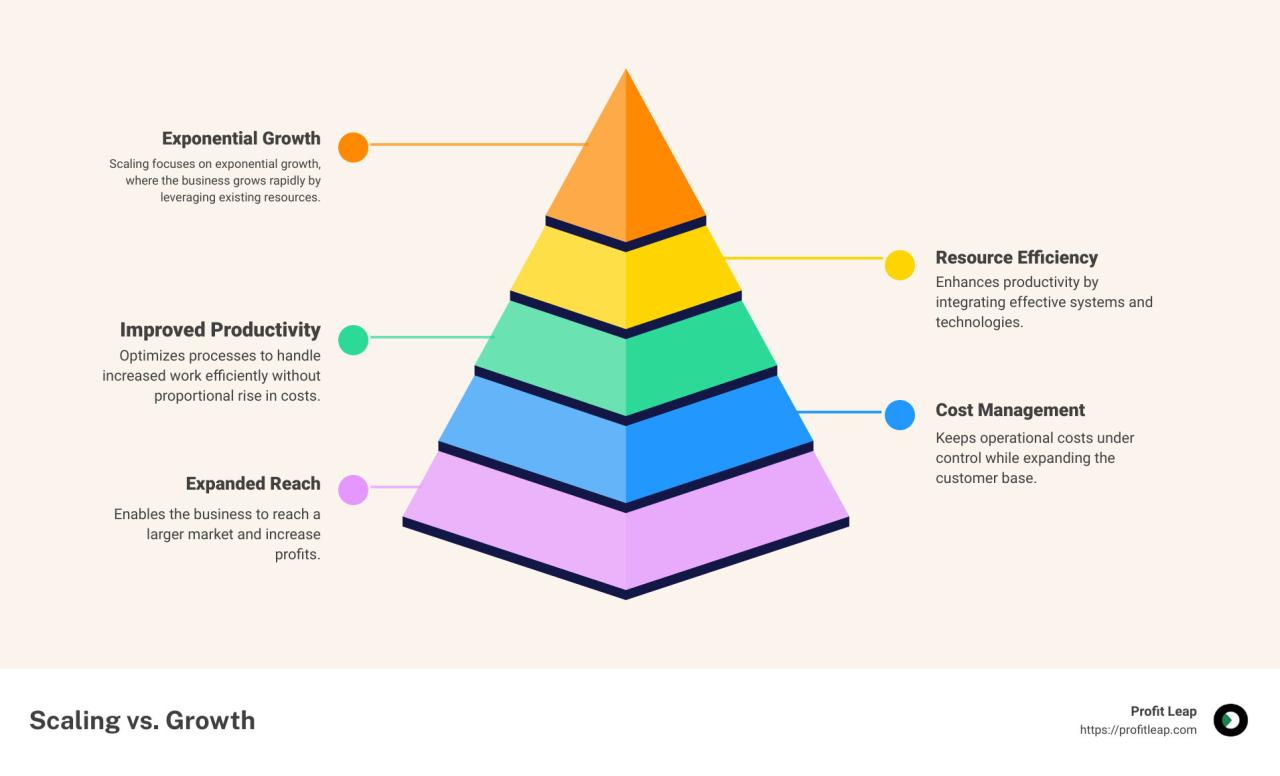
In conclusion, Workflow Process Management is indeed the secret to scaling your US business. By optimizing processes, implementing efficient systems, and fostering continuous improvement, businesses can achieve agility and growth in a competitive market. Embracing Workflow Process Management is key to unlocking your business's full potential and ensuring long-term success.
FAQs
What are some key strategies for optimizing workflow processes?
Key strategies include mapping out current processes, identifying bottlenecks, implementing automation where possible, and continuously monitoring and refining workflows for efficiency.
How does workflow process management contribute to scaling a business?
Workflow process management helps businesses scale by improving operational efficiency, reducing errors, enhancing communication among team members, and fostering a culture of continuous improvement.
Which popular workflow management tools are commonly used in US businesses?
Popular workflow management tools in US businesses include Trello, Asana, Monday.com, and Wrike, among others. These tools help streamline processes, track progress, and facilitate collaboration.